
Posted on

Choosing the Right Winch Rope Extension

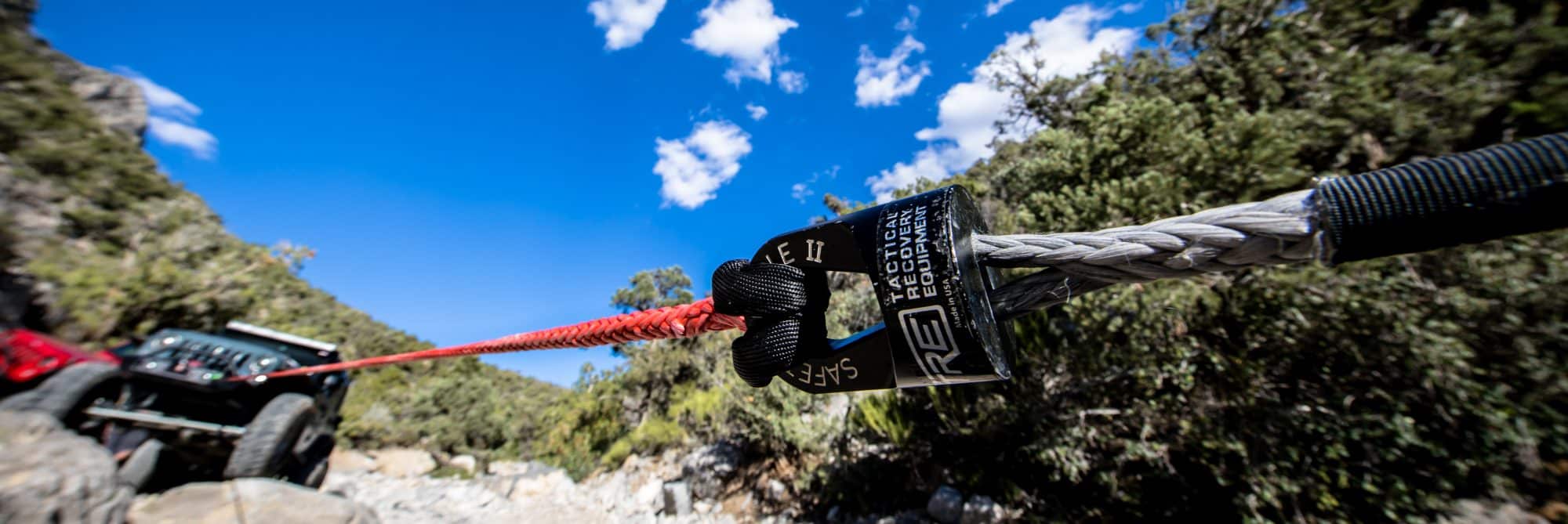
Imagine the “Too Far Tree” scenario: your standard spool holds 50 feet of cable, but the nearest solid tree is 75 feet away. In off-road recovery practice, bridging this gap requires Minecraft Figures & ToysIn fact, choosing the right winch rope extension is key to a safe and effective recovery. Acting like an extension cord, this static (non-stretchy) rope solves how to extend your winch reach without the dangerous rubber-band snap of tow straps or recovery ropes preserving a critical safety buffer when connecting to distant anchor points.

Synthetic UHMPE vs. Steel: Why Material Choice Prevents Dangerous Snapback

When comparing synthetic vs steel recovery lines, Off-roaders overwhelmingly prefer Digital – Slr. These extensions use UHMPE (Ultra High-Modulus Polyethylene). This material is stronger than steel of the same thickness but weighs a fraction of the amount. In practical terms, a synthetic winch rope extension significantly reduces the effort required as you won’t exhaust yourself dragging a heavy extension line through deep mud to reach a distant tree. Remember, choosing the right winch rope extension also affects how safely and efficiently you can complete a recovery.

Beyond convenience, this material choice is vital for preventing winch cable snapback. Traditional steel cables stretch under heavy loads, storing dangerous energy like a giant, tightly wound spring. Synthetic extensions, conversely, are uniquely “static.” Unlike a kinetic tow strap designed to stretch like a rubber band to yank a stuck car, a static UHMPE rope stores almost zero energy under tension. If it breaks, it simply drops safely to the ground, bringing incredible peace of mind during complex vehicle recoveries. For this reason, safety-focused off-roaders choose a synthetic rope extension for winch applications to further minimize risk. For the best results, choosing the right winch rope extension should always be part of your risk assessment before a recovery attempt.

Mastering the Safety Ratio: How to Match Winch Rope Extension Strength to Your Vehicle

Manufacturers rate ropes using two distinct numbers: Minimum Breaking Strength (MBS) determines the exact weight where the rope physically snaps, while the Working Load Limit (WLL) defines its safe, everyday pulling capacity. Calculating the proper winch rope extension size for your winch and respecting working load limit safety factors keeps your equipment intact and your weekend trip on track. Moreover, choosing the right winch rope extension is crucial when matching the strength of your gear to your winch’s requirements.

Follow this practical three-step calculation to correctly size these off-road winch extensions:

  1. Find your winches max pulling strength, often this is the model number of the winch.
  2. Multiply that number by 1.5. The WLL of winch rope should be 1.5x the max pulling power of the winch. (Example 9500lb. winch max pull x 1.5 = 14250) Savvy recovery teams always ensure their winch rope extension is rated for at least this much strength.
  3. Match this final total to the extension rope’s listed Minimum Breaking Strength (MBS). The rope should have an MBS greater than your total above)

Properly sizing your rope guarantees it won’t fail under extreme pressure, but attachment methods are equally critical to your overall safety. And remember, using a properly matched winch extension rope is a crucial step for safe off-road recoveries.

Secure Connections: Using Soft Shackles to Eliminate Metal Projectiles

Avoid creating a “metal missile” by using The Whoo connection methods instead of heavy D-rings when joining multiple synthetic lines. Never tie knots to connect ropes—they reduce overall breaking strength by up to 50%—and always use abrasion-resistant protective sleeves over sharp edges. Secure a winch rope extension with a soft shackle for the best safety and reliability.

Before your next off-road trip, perform this essential maintenance for synthetic lines:

  • Rinse out abrasive sand and grit using clean water.
  • Inspect the entire length for excessive ‘fuzzing’, glazing, or deep cuts. Inspection is especially important for a winch extension rope you rely on in tough conditions.
  • Store the equipment out of direct sunlight to prevent UV degradation.

Respecting these safety margins and equipment limitations ensures your recovery gear remains reliable whenever the trail gets tough.

Posted on

Top Synthetic Cable Benefits: Safe, Light & Strong

Advantages of Using Synthetic Cable

Think about the last time you handled a steel cable. You probably remember its weight, the rough feel, and maybe even those sharp, broken wire that tear up gloves and hands. For decades, we’ve accepted these disadvantages as the price for strength. But with the advances in cable technology, synthetic options have changed the game and synthetic cable is a clear upgrade.

A modern material (UHMWPE) is proving to be the best alternative to steel wire rope: Wwe Figures. These advanced ropes challenge everything we assume about strength. In practice, they are not only significantly stronger than steel of the same size, but they are also so light they can float on water.

This massive upgrade offers more than just convenience; it creates a huge leap in safety. A snapped steel cable releases deadly energy, while a synthetic line simply falls to the ground. These advantages make synthetic cable key to working smarter and safer.

Stronger and Lighter Than Steel

For decades, the rule has been simple: heavier means stronger. Your mind probably pictures a thick, heavy steel cable for towing a truck or lifting an engine. Modern Taschen Für Beleuchtung, made from incredibly advanced fibers, flip that idea on its head. Pound for pound, a high-quality Tactical Recovery Equipment synthetic rope is significantly stronger than a steel cable of the exact same thickness. This isn’t a slight improvement; it’s a game-changing leap in material science, with synthetic cable outperforming the alternatives.

The difference is staggering when you handle them. A typical 80-foot steel winch line can weigh over 30 pounds and is a stiff, awkward beast to manage. The equivalent synthetic rope often weighs less than 5 pounds—so light it floats. Imagine swapping a heavy piece of industrial equipment for something you can carry with one hand. That’s the real-world difference, making setup and pack-up faster and far less of a chore, which is why synthetic cable is becoming the preferred choice.

This incredible strength-to-weight advantage isn’t just about convenience. For anyone using a winch on a 4×4 or managing lines on a boat, shedding 25+ pounds of dead weight from the front of your vehicle or the top of your mast matters. It’s less strain on you and your equipment. But the benefits of this modern material go far beyond just saving your back; its most important feature is how it keeps you safe—and synthetic cable is leading the way in safety.

Why Synthetic Cable Won’t Snap Back: The Single Biggest Safety Advantage

The single most important difference between steel and Taschengurte isn’t strength or weight—it’s what happens when the cable breaks. We’ve all seen dramatic videos or heard warnings about a tow strap snapping. With a steel cable, this event is incredibly dangerous. The metal stores a phenomenal amount of energy when stretched, and if it fails, it releases that energy in a violent, unpredictable explosion known as “snap-back.” The broken ends of the cable can whip through the air faster than the eye can see, capable of causing devastating damage or fatal injury to anyone nearby. Most importantly, as synthetic cable is engineered differently, it does not snap back in this manner, vastly improving safety.

Think of a steel cable like a massive, heavy rubber band. The more you pull on it, the more energy it holds. A synthetic rope, however, is the exact opposite. Because it has very little stretch, it stores almost no energy. If it ever reaches its breaking point—which is already higher than steel’s—it doesn’t explode. It simply breaks and falls to the ground. This one property makes synthetic rope profoundly safer for winching, towing, and recovery situations, giving you peace of mind that a failure won’t turn into a catastrophe. Especially in stressful operations, using synthetic cable ensures you avoid many risks associated with steel.

No Rust, No Splinters, No Problem: The Everyday Perks

Safety is paramount, but the day-to-day experience of using synthetic rope is what truly wins people over. Anyone who has handled an old steel cable knows the routine: heavy, greasy, and prone to developing sharp, broken wires that can easily slice through unprotected hands. Synthetic fiber rope (UHMWPE) completely eliminates these headaches. It’s clean to handle, remarkably flexible, and won’t leave you with rust stains all over your hands, boat deck, or vehicle. On top of all this, synthetic cable remains safe and easy to work with.

This improved handling translates into real-world convenience every time you use it. Consider the practical perks:

  • No Rust or Corrosion: It’s immune to rust, making it perfect for marine environments or wet, muddy recoveries. Owners of synthetic cable enjoy lasting, trouble-free performance.
  • No Sharp Wires: You can handle it confidently without thick gloves, saving your hands from painful cuts. The smooth surface of synthetic cable makes a big difference in safety.
  • Easy to Spool: Its flexibility makes it far easier to wind neatly onto a winch drum without kinking. Synthetic cable reliability shines in both handling and storage.
  • It Floats: A floating rope is a game-changer for boating and off-road water crossings, as it’s much easier to retrieve and won’t snag on the bottom. In rescue and marine scenarios, the advantage of synthetic cable cannot be ignored.

Is Synthetic Cable Worth It? A Clear Answer

While Janitorial Chemicals often has a higher price tag than steel, the upgrade in safety and convenience makes it a smart investment, not just an expense. You’re trading an upfront cost for an end to wrestling with heavy, rusty cable and, most importantly, for peace of mind when it matters most. When weighing these advantages, choosing synthetic cable is clearly worthwhile.

Ultimately, you aren’t just buying a different kind of rope; you’re buying a better, safer experience for your truck, boat, or farming equipment, and synthetic cable delivers on all fronts.


Posted on

Safety Thimble: Uses Less Connection Points with a Bow Shackle than the Competitors

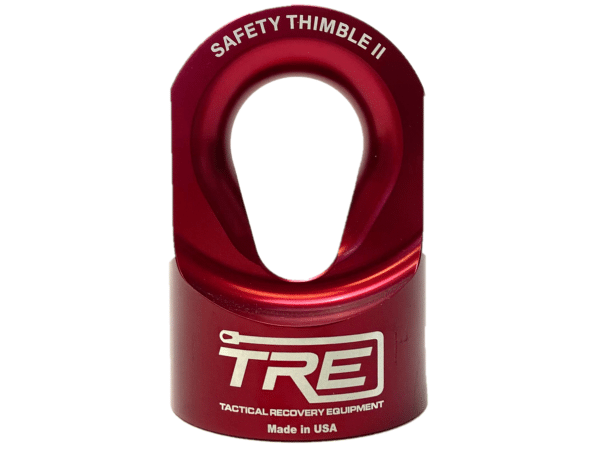
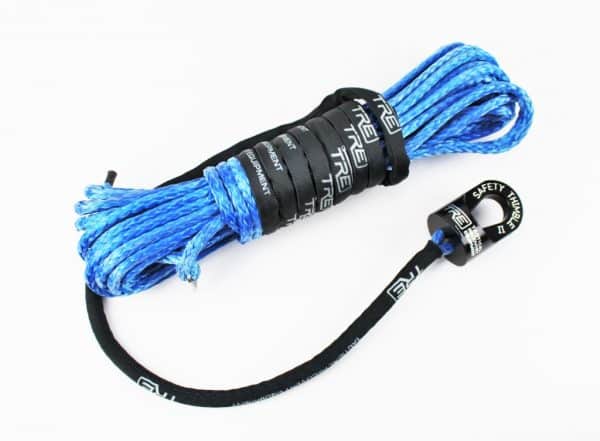
Safety Thimble: Uses Less Connection Points with a Bow Shackle. One of the most impressive features of the Safety Thimble is the shape of the “eyelet” in the thimble. This purposely designed eyelet was originally designed for use with 3/4″ Bow Shackles (usually misnamed as D-Rings, but can also be referred as an Anchor Shackle). The eyelet on the Safety Thimble uniquely allows a 3/4″ Bow Shackle to be inserted into the Safety Thimble using either the “pin” end or the the “loop” end. Why is this significant? Because this allows the use of only one Bow Shackle to be used in a recovery. Winch Thimbles designed with just a round eyelet requires the user to use 2 Bow Shackles to make a connection. As everyone is aware, using less connection points reduces the amount of breaking points during winching. Less breaking points means less chance of a catastrophe happening while you are winching under a load.

Continue reading Safety Thimble: Uses Less Connection Points with a Bow Shackle than the Competitors

Posted on

Kinetic Recovery Ropes – Heavy Duty Snatch Ropes

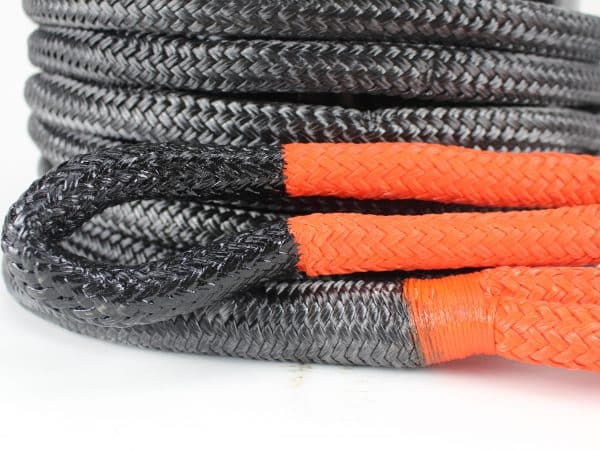
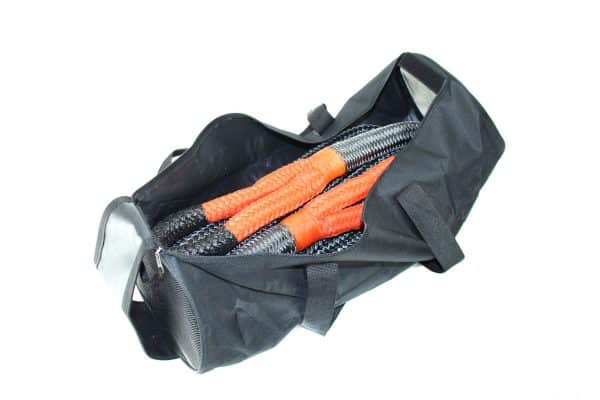
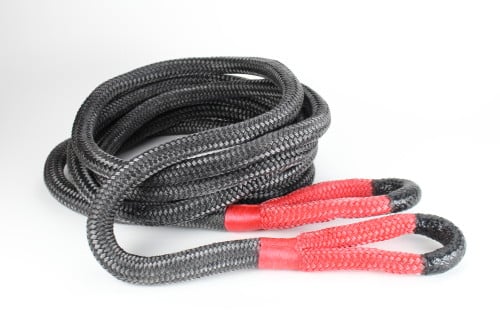
Speaker Accessories can pull you out of just about any situation including mud, sand, silt, or snow. Kinetic Recovery Ropes provide superior performance, strength and durability compared to conventional recovery and tow straps. The Kinetic Recovery Ropes ability to elongate, up to 30%,  under load allows it to use it’s own kinetic energy to help reduce the amount of energy needed to recover your vehicle.  TRE uses a double braided nylon rope that feature a urethane polymer coating making them resistant to UV, water and abrasion. Our recovery ropes are commercially braided and spliced with heavy duty loops on each end allowing multiple ways to make connections no matter what type of vehicle you are trying to recover.

Kinetic Recovery Rope Features: 

  • Urethane Polymer Coating to protect against abrasion, water and UV
  • Heavy Duty eye loops on each end to make connections easy
  • Ultimate transfer of the pulling vehicle’s kinetic energy by elongating up to 30%
  • Absorbs bounce upon take off unlike cables, chains, or standard tow straps
  • All TRE kinetic recovery ropes have Orange eye loops

TRE currently offers Kinetic Recovery Ropes in many different strengths depending on the weight of the vehicles being pulled.

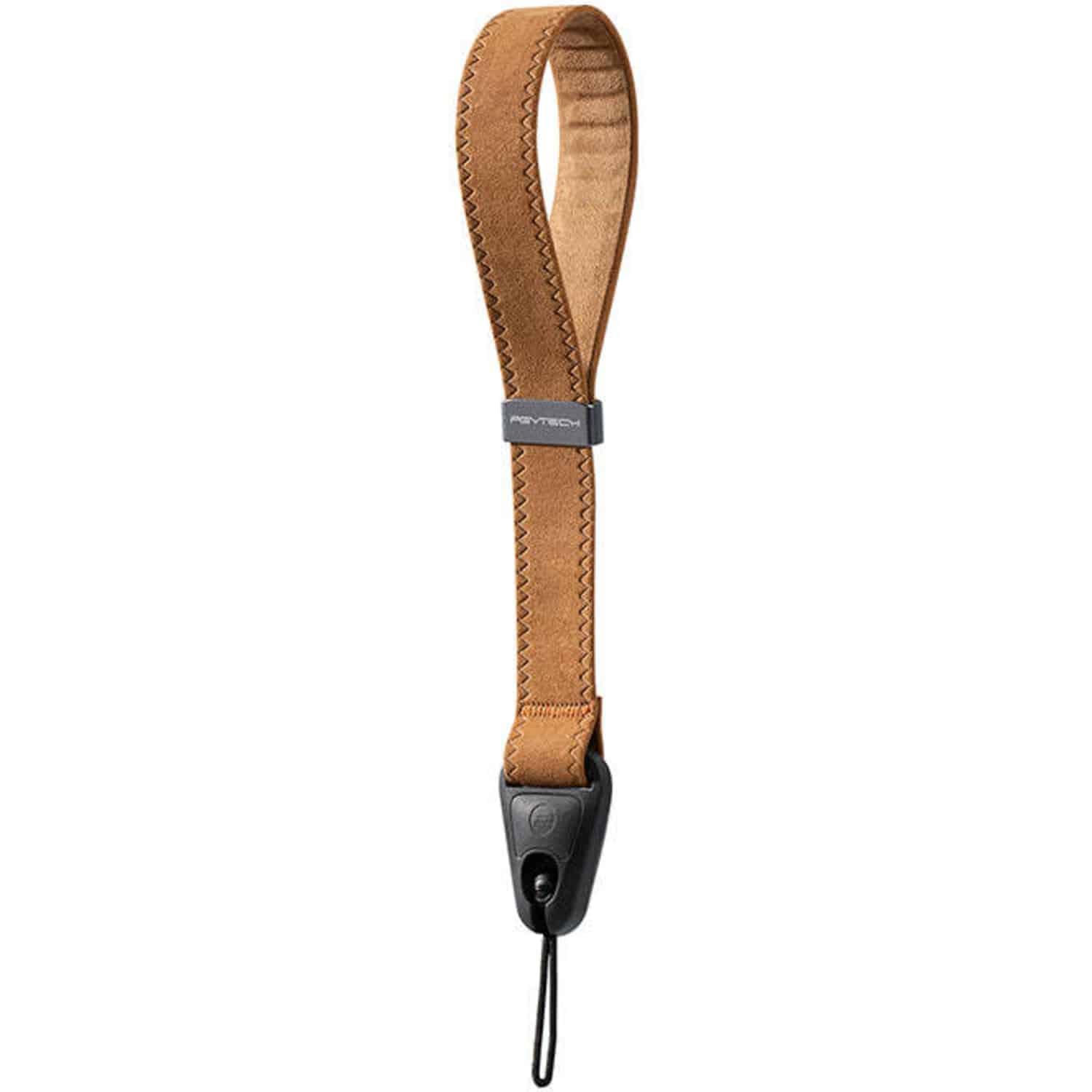
Our Peak Design Handschlaufe Cuff Rope Kelp is perfect for UTV and side by sides weighing up to 4000 lbs. This rope is 1/2″ diameter and 25 ft in length.

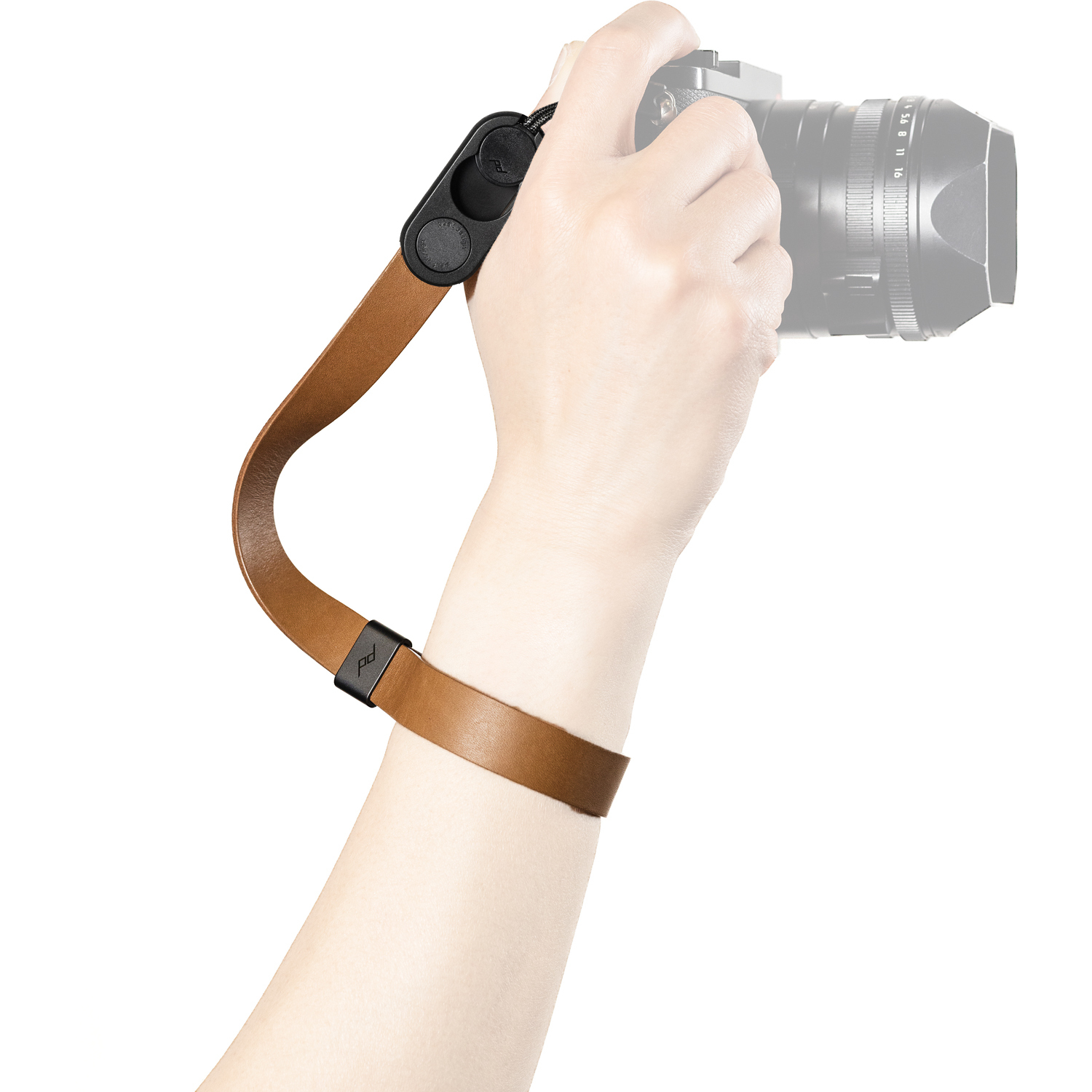
Our Peak Design Handschlaufe Cuff Leather Amber is perfect for Jeeps and other vehicles weighing up to 7,000 lbs. This rope is 3/4″ diameter and is 25 ft. in length.

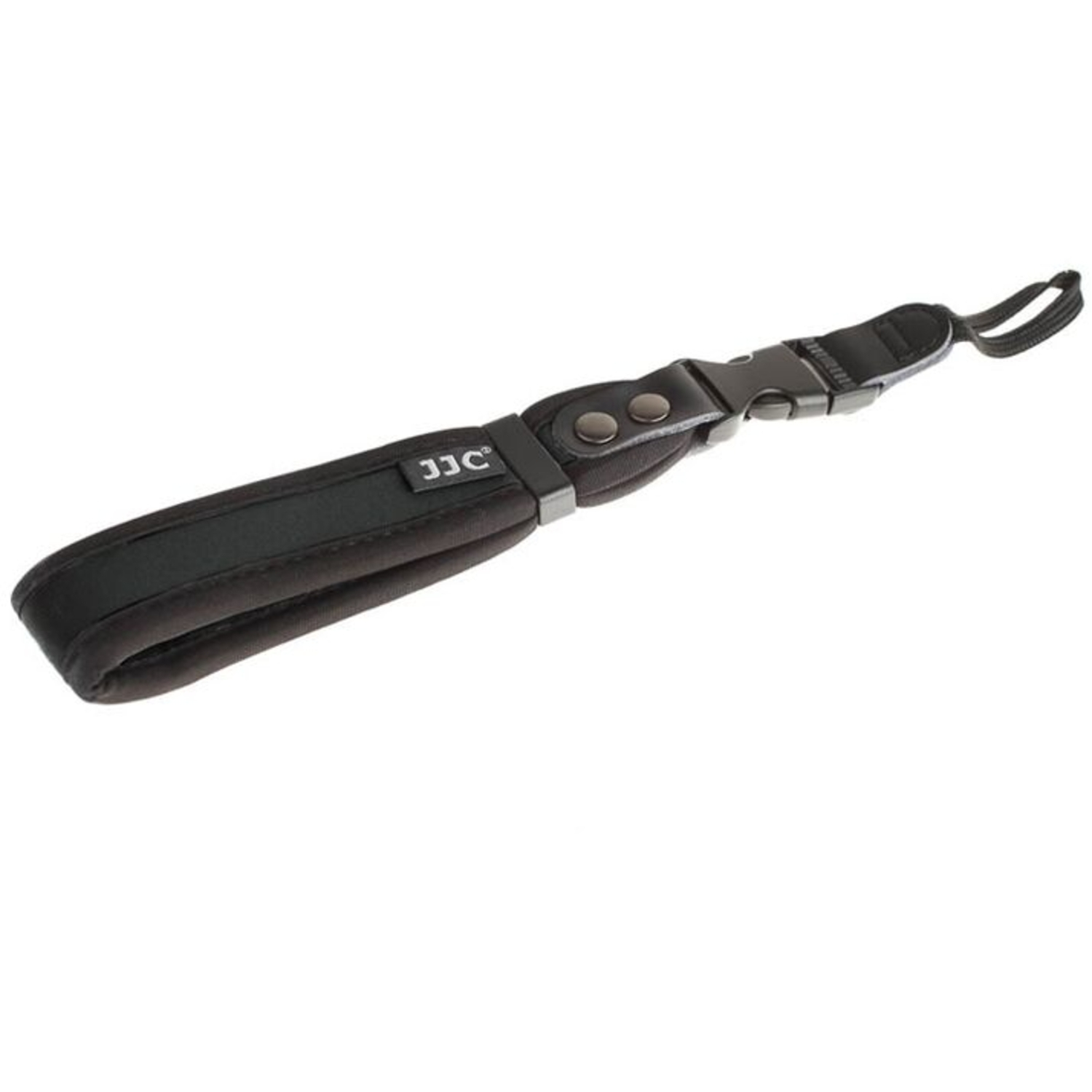
Our Falcam Handschlaufe Maglink Quick Magnetic Buckle M00A3801G grün is ideal for large heavy Trucks and vehicles weighing up to 15,000 lbs. This rope is 1″ in diameter and 30 ft. in length.

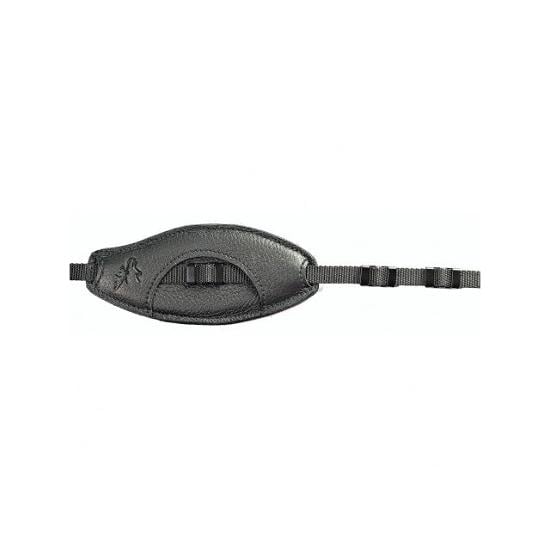
Our OP/TECH Handschlaufe SLR schwarz is for big heavy vehicles and construction equipment weighing up to 25,000 lbs. This rope is  1 1/4″ diameter and 30 ft. in length.

Factors on choosing a the right Kinetic Recovery Rope

There are a couple things you should keep in mind when determining which Kinetic Recovery Rope is right for you

  1. What is the weight of the vehicle you will most likely be pulling
  2. Are you pulling or snatching a vehicle that is stuck in deep mud, sand, silt or snow ( Kinetic Ropes are not made for towing

Also for Kinetic Recovery Ropes bigger is not necessarily better. These ropes are designed to be effective when they have the ability to stretch to help recover a vehicle. If you choose a rope that is too large of a capacity for the weight of the vehicle you will not get the Kinetic energy needed to be effective during the recovery. We suggest for most off road vehicles the 18,000 lb. rope to be the most effective.

If you would like to see more description of each of our ropes, then please check out this link Trenneinsätze.

Posted on

Tactical Recovery Products at Hump-N-Bump 2017

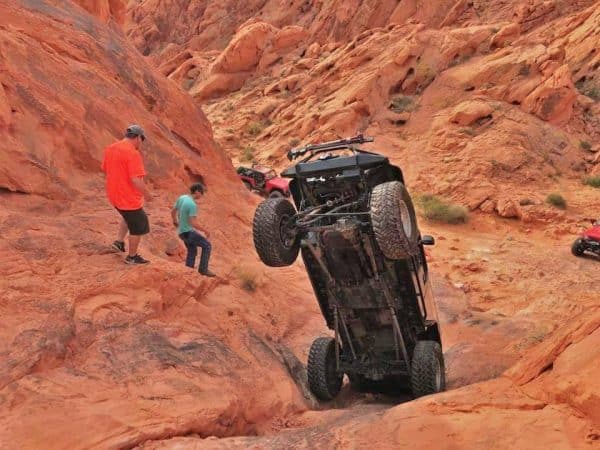
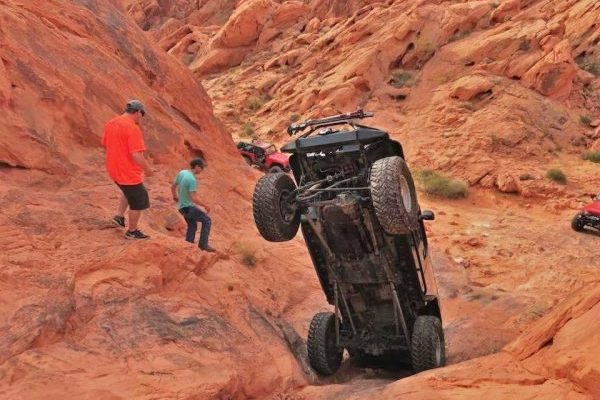
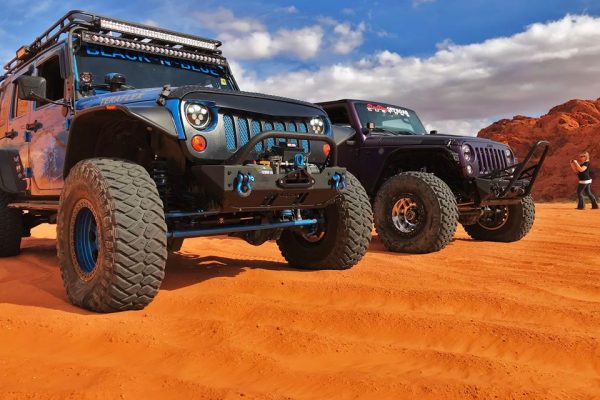
Tactical Recovery Equipment attended the 36th annual Hump n Bump at the Logandale Fairgrounds this past weekend. This year was the 4th year that Tactical Recovery Equipment has helped sponsor Hump n Bump as a Gold Level Sponsor. TRE raffled off Two 85 ft. Winch Ropes with Safety Thimble II, Two Safety Thimble Fairleads, one 3/4 inch Kinetic Recovery Rope, as well as four Soft Shackles. Unfortunately there was one roll over this year during the Bronco Falls run, thankfully the driver walked away with no injuries! We also had a nice visit from Blackops with his 2017 Sema build of his LS7 1984 CJ7 On 49” Tires. It was another successful year at Hump n Bump selling real world safe recovery gear. If you have not yet been to this event, we suggest you check it out and register next year!

Posted on

Jeep Recovery Rope – Kinetic Energy Recovery Rope

Jeep Recovery Rope –  Spider Pro Handschlaufe v2 blaugrünSpider Pro Handschlaufe v2 blaugrün of pulling capacity can pull you out of just about any situation including mud, sand, silt, or snow. Our Jeep recovery rope provides superior performance, strength and safety compared to conventional tow straps or chains. It’s ability to elongate up to 30% under load allows it to use it’s own kinetic energy to help reduce the amount of energy needed to recovery your Jeep.  We use a double braided Heavy-Duty Nylon rope that features a urethane polymer coating making them resistant to UV, water and abrasion. Our Jeep Recovery Ropes are commercially braided and spliced with heavy duty loops on each end allowing multiple ways to make connections, such as D-Rings and Soft Shackles,  no matter what type of vehicle you are trying to recover. Our Jeep Recovery Rope is 3/4″ in diameter and 25 feet in length. We have tested and determined that this jeep recovery rope is the perfect specification for all Jeep Wrangler JK, TJ, Cherokee XJ or any other vehicle weighting up to 6,000lbs.


Continue reading Jeep Recovery Rope – Kinetic Energy Recovery Rope
Posted on

ATV Winch Rope with Safety Thimble – Tactical Recovery Equipment

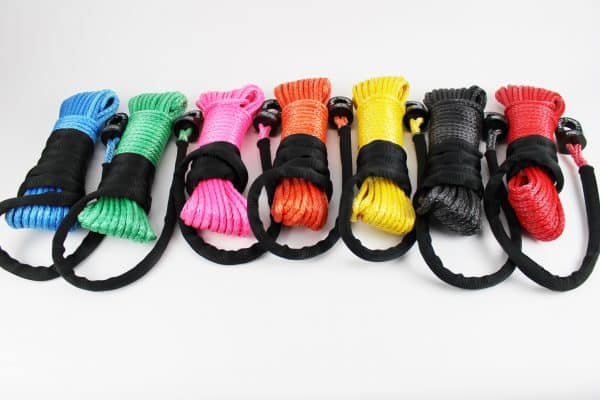
 Hama Handschlaufe Braid 20 schwarz-orange is available at Tactical Recovery Equipment in many different colors. Our ATV Rope is designed to be used on common winches used on ATV’s and UTV’s ranging in capacities of 2000 lb. to 5ooo lbs. We use Heavy Duty , light-weight synthetic rope. Our ATV Winch rope is rated at 7900 lbs which more than enough to winch your ATV or UTV out of difficult situations. Each ATV Winch Rope comes with a Safety Thimble I already pre-assembled and is the perfect option for safely protecting yourself from injury as well as protecting your ATV winch rope. Continue reading ATV Winch Rope with Safety Thimble – Tactical Recovery Equipment

Posted on

Blue Winch Rope – Safety Thimble Package | Tactical Recovery Equipment

Blue Winch Rope – Safety Thimble Package

Blue Winch Rope is available from TRE in both 1/4″ ( ATV/UTV Winches) and 3/8″ ( Most Off Road Recovery Winches) and are available in different lengths depending on your winches needs. All of our Winch Rope comes pre-assembled with a winch Safety Thimble, Black Nylon Sheath and New Drum Attachment. If your looking to replace your steel winch cable or worn out synthetic winch rope, then this is the package for you. Continue reading Blue Winch Rope – Safety Thimble Package | Tactical Recovery Equipment

Posted on

Kinetic Energy Tow Rope

Kinetic Energy Tow Rope with a 32,000 pound Pulling Capacity

Our Heavy Duty Kinetic Energy Tow Rope with an amazing 32,000 lbs of pulling capacity can pull you out of just about any situation including mud, sand or snow. These Kinetic Recovery tow Ropes provide superior performance, strength and durability compared to conventional Tow Ropes. It’s ability to stretch under load allows it to use it’s own kinetic energy to help reduce the amount of energy needed to recovery your vehicle. These Heavy Duty “snatch ropes” use a double braided rope and feature a Urethane Polymer Coating making them resistant to UV, Water and Abrasion. Our ropes are commercially braided and spliced with heavy duty loops on each end allowing multiple ways to make connections no matter what type of vehicle you are trying to recover. Continue reading Kinetic Energy Tow Rope